
The Surprising Connection Between Neck Pain and A Weak Upper Back
Plus, A Tale of Two Patients: One Who Strength-Trained, and One Who Didn’t
Do you ever find yourself trying to rub out a sore spot in your neck or find it difficult to turn your head? Neck pain is a common concern that can range from a mild nuisance to a big problem. And while neck pain can have several different causes, one contributing factor often gets overlooked: weakness in the shoulders or upper back. When we deal with persistent aches and pains, poor muscle strength often turns out to be a significant underlying factor. When a muscle isn’t as strong as it should be, other muscles have to step in to compensate, which puts unnecessary strain on them — and makes them more susceptible to overuse injuries. The result? Seemingly random aches and pains that “come out of nowhere.”
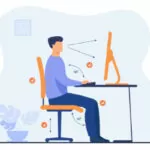
If you’re struggling with persistent neck pain, there’s a chance that the problem is rooted in your shoulders or upper back. Slouching and prolonged sitting weakens those upper back muscles, forcing your neck muscles to work overtime — and leading to pain.
Let’s look at two case studies from the Advantage Physical Therapy files. Both people suffered from neck pain, but only one went through a dedicated strength training program. What happened next?

Ally’s Story: No Time for Strength-Training
Ally was a receptionist who spent long days typing on a computer, answering the phone, and doing other clerical work. She started to notice a slight pain in her neck while she was at work. Although she ignored it at first, the pain persisted. She knew she needed to seek help.
Ally made an appointment with us, where we took her through a comprehensive assessment, including several movement and functional screens. We determined that she had strained the soft tissue in her neck due to her sedentary job.
We started Ally’s treatment with acute pain management using manual therapy techniques and some gentle mobility stretches, which did help her immediate symptoms. However, we knew it wouldn’t be enough to fully resolve her pain, so we suggested she begin a multi-week therapeutic exercise program to restore strength in her upper back and shoulders, helping to reduce the strain on her neck.
Unfortunately, Ally had decided to go back to school, and between work, her classes, and her family, she simply didn’t have time for physical therapy. So, while we were able to help Ally in the short term, her pain persisted in the long term, eventually landing her back in our clinic a year later.

Sarah’s Story: A Dedicated Strength Training Program
Sarah’s situation was very similar to Ally’s. She was a marketing assistant who also spent a great deal of time on both her laptop and a mobile phone, and she also experienced a gradual onset of neck pain. And, like Ally, she paid us a visit when it became too much.
We gave her a similar diagnosis: a strained neck muscle brought on by improper posture and prolonged sitting. We also provided her with acute pain relief. The difference? Sarah was able to continue her treatment with a six-week therapeutic exercise program.
We met with Sarah twice weekly to guide her through a custom set of targeted neck, shoulder, and upper back exercises. We started with gentle stretches and mobility work before progressing to resistance training exercises. With the help of some dumbbells and an exercise band, Sarah built strength through her upper body, providing her neck with the support it needed.
We also helped Sarah set up her workstation to be more ergonomic, including adjusting the height of her computer monitor and rearranging her keyboard. And we gave her some tips for maintaining postural awareness throughout the day.
The result? After six weeks, Sarah’s neck pain was entirely resolved — and she didn’t have to seek additional treatment!

Patient Success Story
“My experience here at PT has been amazing due to my amazing therapists. When I first got here, I couldn’t do simple things like look down without pain or even turn my neck. Now after about a year of getting help from my therapists I can do all of those things painlessly. I thank everyone who helped me get better and am grateful that everyone here at PT was kind and gentle.”
– Karine O.

Electrical Stimulation May Relieve Your Chronic Pain
Electrical stimulation is a safe and efficient treatment choice for pain relief and rehabilitation. While it might seem daunting at first, it is a very successful method of pain relief that many practicing physical therapists use every day!
This modality can produce an intrinsic and fully natural analgesic effect by stimulating specific sensory nerve fibers (such as A-beta, A-delta, and C fibers), which decrease pain sensitivity and release neurotransmitters that prolong the pain-relieving effects. It is also safe to use electrical stimulation on all parts of the body, including the anterior neck, eyes, or areas with damaged skin or reduced sensation.
Electrical stimulation will likely not be recommended for people with deep vein thrombosis (DVT), those who are pregnant, those with pacemakers, and those with impaired comprehension. The ultimate goal of our physical therapy practice is your comfort, protection, and integrity.
Connecting Exercise with Mental Health
Have you been struggling with depression or anxiety? Is it difficult to get out of bed in the morning? Do you find yourself self-isolating or no longer participating fully in work or hobbies? If you answered yes to any of these questions– we want you to know first and foremost that you’re NOT alone. According to the National Alliance on Mental Illness, 1 in 20 U.S. adults experiences serious mental illness each year, while 1 in 6 U.S. youth aged 6-17 experience a mental health disorder each year.
Mental health struggles are often stigmatized to the point where they can be challenging to talk about with friends, family, and even trusted medical professionals. We can’t stress enough how critical it is to seek help when you’re feeling symptoms of a mental illness. Mental health treatment, like therapy, medication, and self-care, has made recovery possible for so many. We at Advantage Physical Therapy want you to know that you have options for your treatment– and you can get started on your recovery today by speaking to a medical professional.
Once you have taken these first steps, you can also begin to make lifestyle changes that positively contribute to your mental health. Can you guess what one of the most influential behaviors we can adopt is? That’s right– exercise! It’s a proven fact that people who exercise regularly have better mental health and lower rates of mental illness. Exercise improves not only our mood, concentration, and alertness but also our cardiovascular and overall physical health. If you don’t currently incorporate exercise into your weekly routine, you may be wondering how you can get started. Maybe you’re wondering how you can begin to get active when your mental illness can make even the smallest of tasks feel impossible.
The good news for all of us is that it doesn’t take much to make a positive change. According to studies, low to moderate-intensity exercise is enough to enhance your mood and thinking patterns. You can start by going on a brisk walk around your neighborhood, taking up cycling, or going for a swim at your community pool. If you believe you could benefit from some extra assistance, don’t hesitate to give Advantage Physical Therapy a call. We can design a customized exercise program to help you get out of a funk and into a new, happier phase of life.
Ready To Attack Your Neck Pain at the Source?
If you’re struggling with persistent neck pain, physical therapy at Advantage Physical Therapy can help you find lasting relief. Just as we did with Ally and Sarah, we’ll assess your symptoms and develop a customized treatment plan that seeks to resolve your neck pain altogether. Call us today to get started!
Upcoming FREE Workshops!
Mark your calendar for our upcoming workshops on March 4th and 18th at 5pm. Click below or call the clinic today to reserve your spot in one of our upcoming workshops.

Three Exercises to Strengthen Your Shoulders and Upper Back

Maintaining strength throughout your shoulders and upper back is crucial to avoid neck pain! The physical therapists at Advantage Physical Therapy can help you develop a customized exercise program that addresses your needs and fits with your abilities.
Curious about what exercises we might include in that program? Here’s an overview of three common resistance training exercises we often use to help people with neck discomfort. Before trying any of them yourself, make an appointment with our team to ensure you’re using the right weight and proper form.
- Shoulder Press: With a dumbbell in each hand, make a “field goal ” shape with your arms: your arms are bent at a 90-degree angle with your palms facing up. Brace your core as you press the weights overhead, then slowly lower them back down to your starting position.
- Reverse Flies: Lean forward at your waist with your elbows slightly bent and dumbbell in each hand. Slowly raise the weights until they are in line with your shoulders.
- Modified Push-Ups: Push-ups are a great way to build upper back and shoulder strength, but if you find the standard push-up too difficult, never fear: the modified version is just as effective. Start on your hands and knees (instead of your feet) with the body in a straight line from head to knee. Slowly lower your chest until it’s a few inches off the floor, then rise back up.
A dedicated strength-training program is a great way to reduce neck discomfort. Schedule an appointment with us to get started with one of your own!