
How Physical Therapy Can Help Resolve Your Knee Pain
Imagine struggling to play your favorite sport, spend time with your kids, or simply walk your dog because of nagging knee pain. It’s incredibly frustrating, isn’t it?
Knee discomfort is a relatively common ailment ranging from a dull ache to a sharp, debilitating pain. However, in some cases, it can dramatically affect mobility and quality of life.
Fortunately, the team at Advantage Physical Therapy offers several options for addressing, managing, and resolving knee pain. That way, you can find the relief you need to get back to the activities you love.
Upcoming FREE Workshops!
Mark your calendar for our upcoming workshops. Click below or call the clinic today to reserve your spot.
Rotator Cuff
5:00 pm • May 5th
FREE Assessment
5:00 pm • May 19th
Targeting Your Knee Pain Right At The Source
We don’t want to just mask your knee pain symptoms. Instead, we want to address the underlying cause of your discomfort for long-term relief and improved function. That’s why our physical therapists will always begin with a comprehensive assessment. We’ll evaluate your mobility, strength, walking patterns, and more. Our goal is to identify the specific factors contributing to your knee pain so we can develop the right treatment plan for your needs.
Common Knee Injuries or Conditions We See at Our Clinic
Osteoarthritis
This degenerative joint disease causes the breakdown of cartilage in the knee, leading to pain, stiffness, and swelling. Risk factors include age, obesity, previous knee injuries, and family history.
Patellofemoral Pain Syndrome
This refers to pain around the kneecap, often caused by overuse, muscle imbalances, or poor tracking of the kneecap itself. This condition is more common in young athletes, women, and people with flat feet or weak thigh muscles.
IT Band Syndrome
The IT band is a thick band of tissue that runs along the outside of the thigh. If irritated or inflamed, it can cause pain on the outer side of the knee and is common in runners and cyclists.
Meniscus Tears
The meniscus is a ring of cartilage that acts as a shock absorber in the knee. A tear in the meniscus can cause pain and limited movement. Sudden twisting movements, sports injuries, and advanced age are common risk factors.
Sprains
Sprains occur when the ligaments that stabilize the knee joint are stretched or torn. They’re common sports injuries and can result from quick pivoting movements or falls.

When Knee Pain Is More Than Just The Knee
One crucial thing about knee pain is that it doesn’t necessarily stem from an issue with the knee itself. Sometimes, knee pain doesn’t stem from an injury or osteoarthritis but from dysfunction in your lower body mechanics.
Your knee depends on the function of the hip, ankle, and foot to operate smoothly. When these areas fall out of balance, stress is transferred to the knee. For example:
- Weak hip muscles can allow the thigh to rotate inward, increasing strain on your knee’s soft tissues
- A stiff ankle can limit forward movement, shifting the load to the knee during activities like walking, squatting, or climbing stairs
- Flat feet can force the knee into unnatural positions, leading to irritation over time
- Muscular imbalances can pull joints out of alignment, forcing the knee to absorb excess stress
How Advantage Physical Therapy Can Help Resolve Your Knee Pain
Once we’ve determined the source of your knee pain, we’ll work with you to develop a comprehensive treatment program to address it directly. While every program is personalized to your needs, here’s a general overview of what you can expect:
Pain Management
We use various techniques to reduce acute pain, including hands-on manual therapy techniques, advanced modalities such as ultrasound therapy, and therapeutic exercises.
Improved Mobility
We’ll help you restore your knee’s range of motion through targeted stretches and exercises to make everyday movements easier.
Enhanced Strength
Strengthening the muscles around your knee provides better support and stability to the joint, reducing strain and preventing future injuries.
A Safe Return to Activity
We know you’re eager to get back to your favorite activities. Whether you want to get back in the game or the garden, we’ll design a personalized, progressive plan to help you do so safely.

Don’t Let Knee Pain Hold You Back!
No matter the reason for your knee pain, our team of movement specialists will help you find an approach that works for you. Contact Advantage Physical Therapy today to schedule your initial evaluation and take the first step to effective knee pain management.
What Makes A Good Warm-Up and Cool-Down Routine?
Physical therapy is an important part of treating existing knee pain, but did you know that proper warm-up and cool-down routines can significantly reduce your risk in the first place?
A Proper Warm-Up
Dynamic Stretching
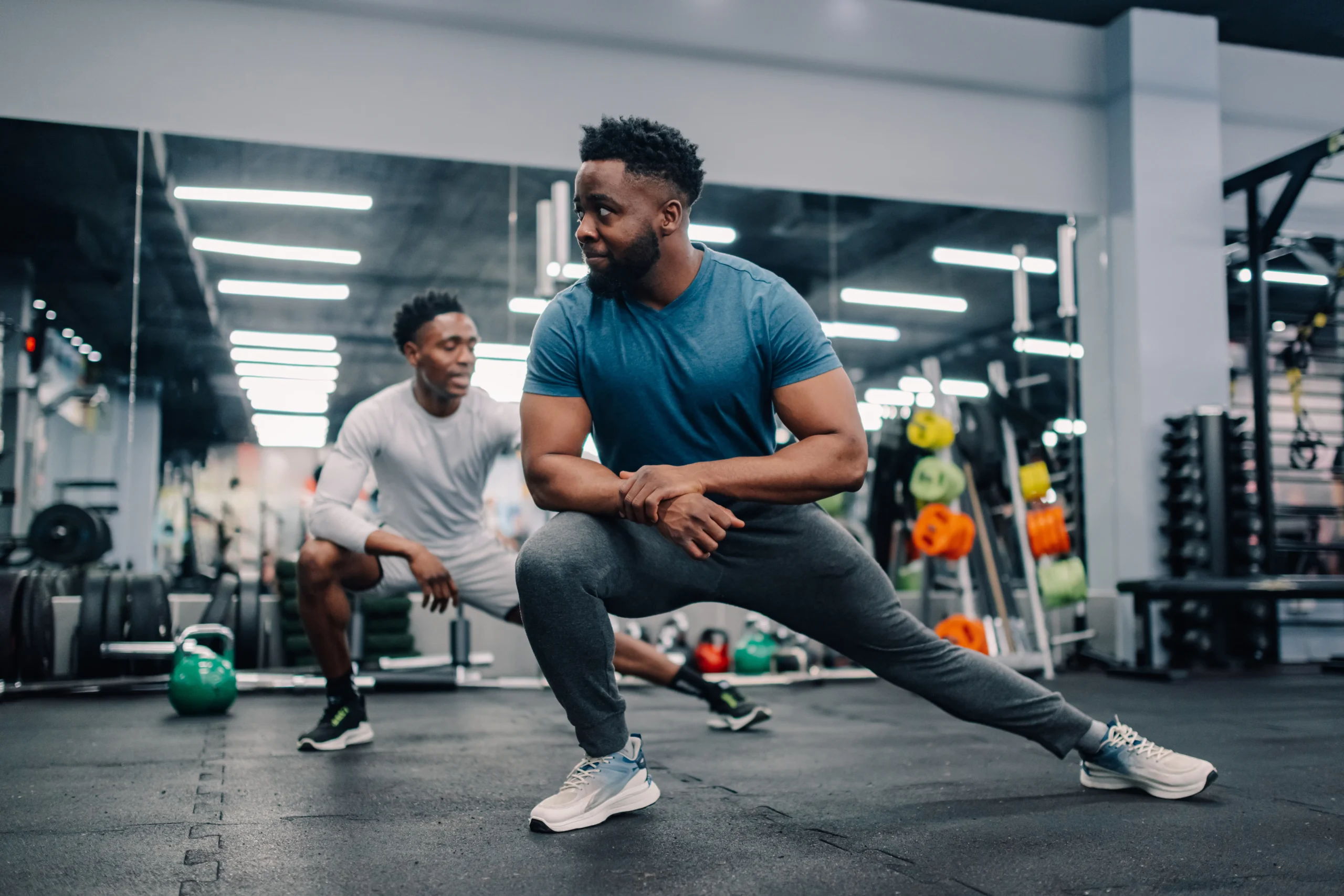
Forget holding those long, static stretches before your workout. Dynamic stretching is the key to priming your muscles for activity and protecting your knees from injury. Unlike static stretches, where you hold a position, dynamic stretching involves actively moving your joints and muscles through their full range of motion. Think controlled leg swings, arm circles, and torso twists – movements that mimic the activity you’re about to do.
Functional Movements
Then ditch the generic warm-up and focus on movements that mirror your sport. This type of functional warm-up primes your body for the specific demands of your activity, giving you an edge on the field or court. By rehearsing the movements you’ll be using in your sport, you’re essentially fine-tuning your neuromuscular pathways and preparing your body to react efficiently and effectively. This translates to better agility, quicker reflexes, and enhanced overall performance.
Craft A Cool-Down Routine
Cooling down after participation is as important as warming up to help your body gradually return to a resting state. Be sure to incorporate proper hydration, nutrition, stretching, and/or foam rolling to minimize post-workout soreness. Adequate recovery also ensures your body is ready to handle training demands the following day.
Call Today!
Need help designing a personalized warm-up and cool-down routine? Our physical therapists can assess your needs and provide expert guidance to optimize your knee health.
Tips for Parents as School Ends and Summer Begins
As summer break approaches, parents can prepare for their kids being out of school with these practical tips:
- Plan Activities: Organize a list of summer activities to keep kids engaged, such as outdoor sports, art projects, or day trips to parks and museums.
- Set a Routine: Maintain a structured daily routine with regular wake-up times, meal schedules, and designated study or reading periods to promote consistency.
- Healthy Eating: Stock up on nutritious snacks and plan balanced meals to keep kids energized and healthy throughout the summer.
- Safety First: Ensure your home and outdoor play areas are safe and child-proofed. Discuss safety rules with your children, especially if they spend more time outside.
- Screen Time Limits: Set reasonable limits on screen time to encourage physical activity and reduce excessive device usage.
By following these tips, parents can create a balanced and enjoyable summer experience for their children, combining fun, learning, and safety throughout the break.
Is Gait Analysis Right For You?
During the evaluation, a physical therapist observes your posture, stride, foot placement, joint motion, and overall biomechanics. This may include watching you walk or run on a treadmill, recording your movement for slow-motion review, and assessing strength, flexibility, and balance. The goal is to pinpoint issues such as improper alignment, muscle imbalances, or abnormal loading patterns.
Patient Success
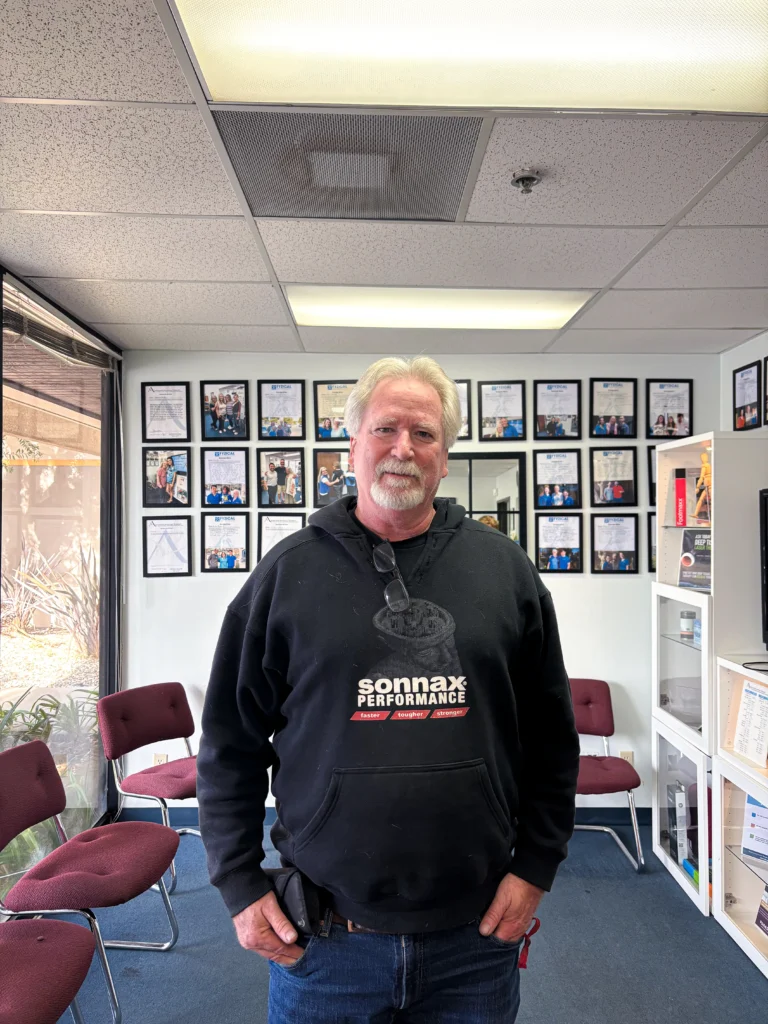
“I had a knee surgery and needed therapy to bring back my strength and balance. The work done here at Advantage Physical Therapy was awesome. Because of my work schedules they were able to custom assign home work that I could do on the road. In office visits at first, we found balance needed to be worked out. All the exercises were on point and was long only because I could only visit in the office for two weeks at a time. I am so thankful to the staff here with their healing hands and encouragements that they continued to stress that we would get through this and all will be well. Their words were true. My knee is back even stronger today than it was pre surgery.” – Randall
Share the Love
Help others discover us by leaving a quick review and sharing your thoughts. Your feedback helps us grow and keep improving—thank you for being part of our community!