


Having Surgery? Bounce Back Faster With Pre- and Post-Rehab
If you’re scheduled for an orthopedic surgery (such as a total joint replacement or an ACL repair), you probably already know you’ll need to undergo rehabilitation afterward with a physical therapist. But have you considered working with a PT before your surgery, too?
Pre-rehabilitation, sometimes called “prehab,” is a little less common than rehab, but it’s still an important part of the surgical process. Together, a structured pre- and post-surgical physical therapy program can help you maximize the benefits of your surgery.
We offer pre- and post-rehab here at Advantage Physical Therapy, and today, we want to explore both programs in detail. And if you’d like more personalized guidance, just contact our clinic to speak to our friendly staff!
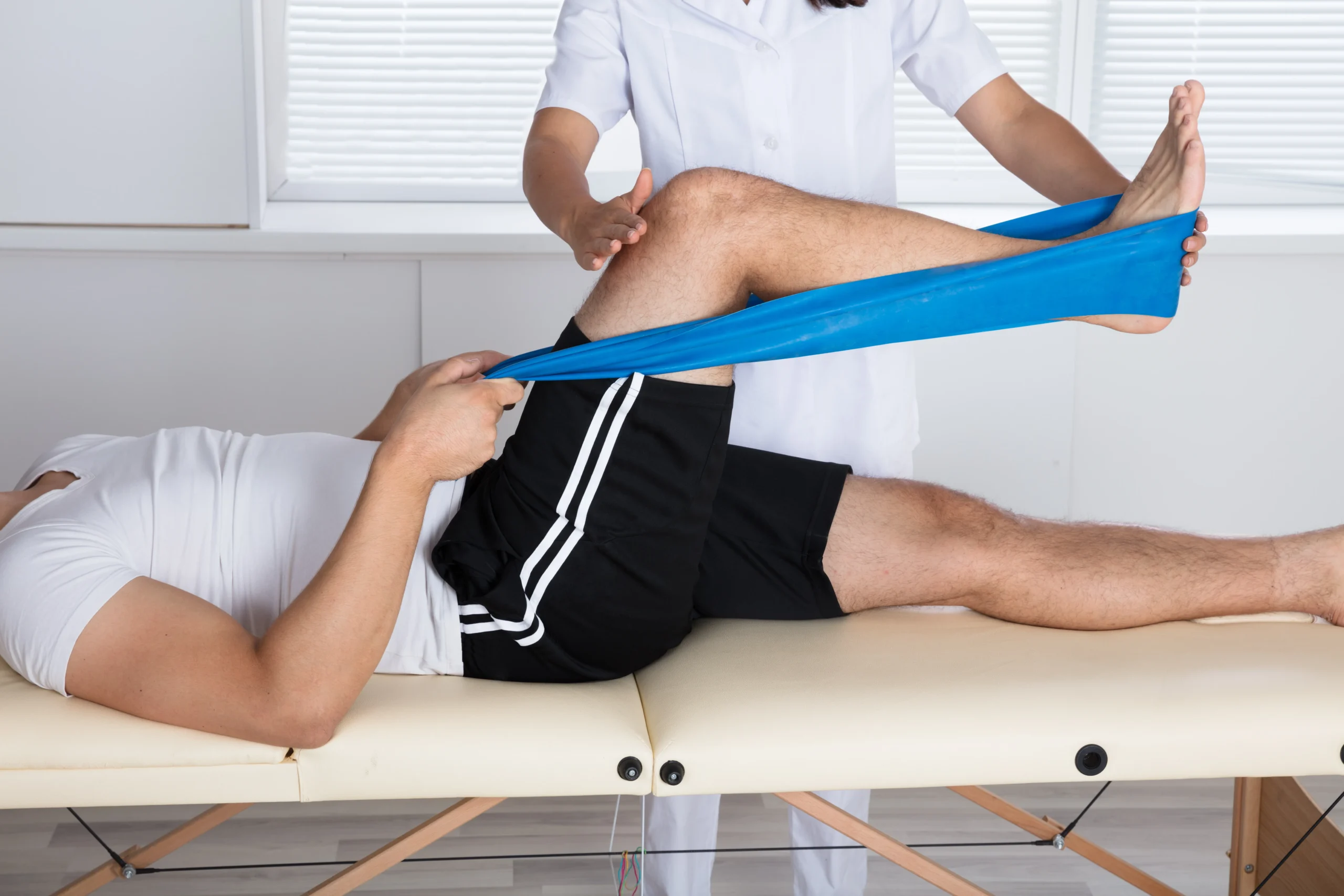
Upcoming FREE Workshops!
Mark your calendar for our upcoming workshops. Click below or call the clinic today to reserve your spot.
Rotator Cuff Workshop
5:00 pm • June 16th
FREE Assessment
5:00 pm • June 30th
Knee Pain Workshop
5:00 pm • July 14th
What You Need to Know About Pre-Op Physical Therapy
Surgery can be incredibly tough on the human body. It’s a highly invasive procedure that brings with it a host of complications, such as blood clots, post-surgical pain, and more.
Standard rehabilitation works to minimize these risks after the fact. However, prehab takes a proactive approach, allowing you to improve strength, fitness, and pain levels before you have your procedure.
Think of it this way: No athlete goes into a big game unprepared. They spend time training to ensure their strength, endurance, and performance are the best they can possibly be. Prehab is the same way–you’re preparing your body for the “big game” of surgery.
What Are Some Benefits of Prehab?
- Improves strength and mobility, making surgery and recovery easier
- Reduces pain and swelling before surgery
- May help shorten hospital stays and overall recovery times
- Decreases the risk of complications
- Helps you understand what to expect after surgery, reducing anxiety
What Can I Expect During Prehab?
- An initial evaluation in which one of our physical therapists assesses your strength, range of motion, balance, and pain level
- Various pain management techniques, including manual therapy, ice/heat, or electrical stimulation, to help reduce discomfort
- A therapeutic exercise program consisting of specific exercises to target weak or stiff areas, improve circulation, and support surrounding joints
- Personalized endurance training consisting of low-impact cardiovascular activities to increase overall stamina
- A detailed overview of what you can expect after your surgery, including training on mobility aids and rehab exercises

What You Need to Know About Post-Op Rehabilitation
Most orthopedic surgeries aim to correct whatever dysfunction is causing pain (for example, replacing an arthritic joint with a prosthesis). The results can be life-changing, but they don’t occur overnight. It takes time to restore your body to its optimal strength, mobility, and function.
That’s what post-surgical rehabilitation focuses on. A structured physical therapy program helps you recover from the surgery itself and work to get back to the activities that matter most to you.
What Are Some Benefits of Rehab?
- Reduces pain and inflammation
- Improves range of motion and overall mobility
- Strengthens muscles and improves overall function
- Helps you regain independence and return to your daily activities
- Lowers the risk of long-term complications, such as chronic pain
What Can I Expect During Rehab?
- Techniques to help manage acute pain and swelling, such as ice, compression, manual therapy, and assisted stretches
- Guided mobility work to help restore movement in the affected joint or area without stressing healing tissues
- Scar tissue management using hands-on therapy or tools to reduce the risk of long-term pain or stiffness
- Targeted, progressive strengthening exercises to rebuild muscle at an appropriate pace
- Balance or gait training to help restore stability in surgeries that affect your movement patterns
- Functional training that helps you relearn everyday movements like standing, walking, or climbing stairs
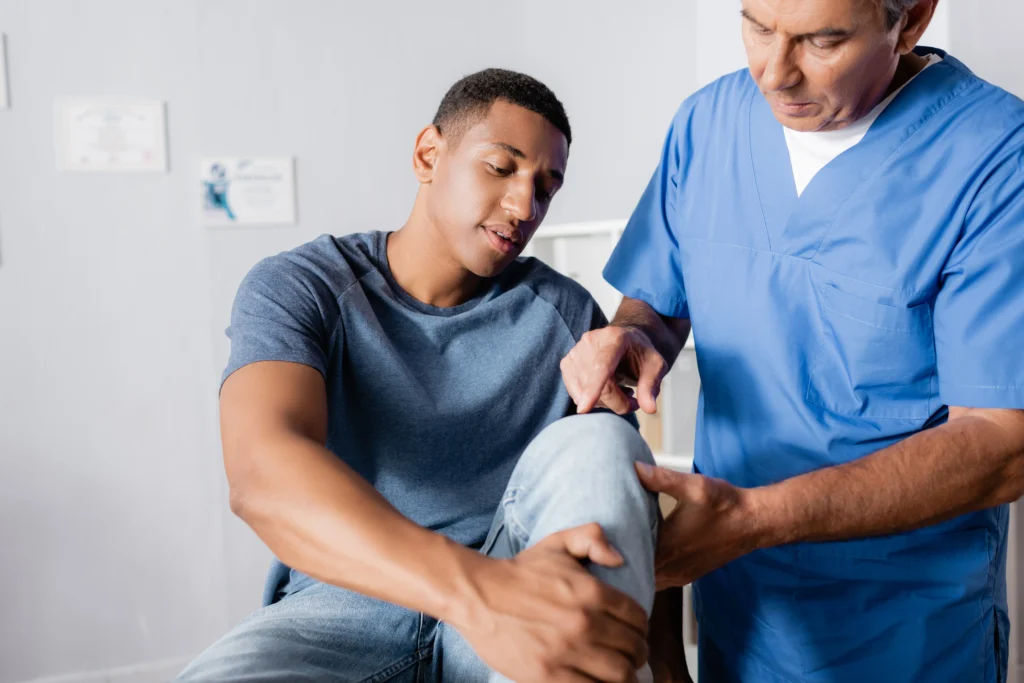
Going Into Surgery? Advantage Physical Therapy Is Here to Help!
If you have surgery scheduled, now’s the time to contact our clinic and learn more about how our pre- and post-op rehabilitation programs can help you make the most of your procedure. Remember, your recovery starts before you ever head into the operating room. Schedule an appointment with us today to get started.
The Importance of Mental and Emotional Preparation for Surgery
Calming The Mind, Easing The Journey
Surgery is a major decision, and the days leading up to your procedure can cause anxiety, fear, uncertainty, and a range of other difficult emotions. But did you know that physical therapy at Advantage Physical Therapy can actually help you navigate these mental and emotional challenges?
It’s true! In fact, one of the big benefits of prehab is that it can help alleviate surgery-related concerns, including worries about potential complications, pain management, and the impact your recovery will have on your day-to-day life. Our physical therapists can help you gain the reassurance you need to head to surgery with confidence.
Five Ways We Help Calm Your Mind Before Surgery
- We give you a safe space to openly discuss your anxieties and concerns.
- We provide realistic expectations about your recovery timelines and potential challenges ahead of time.
- We provide strategies for managing pain immediately after surgery, reducing anxiety about the initial phase of recovery.
- We offer emotional support and encouragement so you feel more comfortable with the entire process, including the psychological challenges of surgery.
- We’ll ensure you have reliable information about your procedure, rehabilitation, and pain management options, empowering you to make informed decisions.
The Power of a Prepared Mind
Addressing mental and emotional well-being before surgery is an important part of the prehab program. Just like enhanced strength, mobility, and cardio, a positive mindset and reduced stress can contribute to a smoother and faster recovery process.
We offer calming techniques to lower your stress levels and help you develop the emotional resilience to navigate any challenges that may arise during your recovery. To learn more about how the Advantage Physical Therapy team helps with physical and emotional readiness before a surgical procedure, schedule an appointment at our clinic today!
Maximizing Summer Fitness: Tips from Advantage Physical Therapy
Getting active during the summer can be both fun and challenging, but by following our physical therapist’s tips, you can make the most of this season.
- Get an Assessment: Consider a comprehensive assessment by one of our skilled therapists to identify any underlying issues or areas of concern. This will help you tailor an exercise plan that suits your specific needs while minimizing the risk of injuries.
- Warm-up and Cool Down: Remember to do proper warm-ups and cool-downs for every activity. One of our Advantage Physical Therapy experts can guide you through dynamic stretching routines that prepare your muscles for exercise and help prevent strains.
- Stay Hydrated: Hydration is essential for your health and well-being, and your therapist can recommend simple strategies to ensure you get enough fluids to keep you energized and prevent heat-related issues.
- Trust Your Body: Listen to your body, never ignore or push through pain. If you experience pain or discomfort, consult your physical therapist promptly to address any potential concerns.
With these expert tips, you can enjoy an active and injury-free summer!
Patient Success
“Everyone here at Advantage Physical Therapy has been so helpful, positive, and professional in their approach & follow up. The staff has also been so supportive and organized. My issue with my right hip was a bit of a mystery until Ashley suggested I may have a labral tear, she was right! I also had severe arthritis in my right hip. The hip replacement fixed both of those issues. Stephen & Ashley helped me through the recovery. Several of your other PTs have also helped me over the past couple of years.” – Bonnie
Share the Love
Help others discover us by leaving a quick review and sharing your thoughts. Your feedback helps us grow and keep improving—thank you for being part of our community!