

Happy New Year!
Need a Little Help Getting Active? Try Physical Therapy
You know that regular exercise is crucial to living a healthy lifestyle. The CDC recommends adults aim for 150 minutes of moderate activity a week–about 22 minutes a day, so you don’t have to toil away in the gym for hours. But hitting those numbers can still be a challenge, especially if you struggle with persistent pain or limited mobility.
That’s where physical therapy at Advantage Physical Therapy comes in. We’re movement experts who understand all the impairments in your musculoskeletal system that can keep you from living the active, healthy lifestyle you crave. From pain management to maximizing your athletic performance, we’ll help you meet your exercise goals.
Here are just a few of the ways we can help you get healthier. Ready to get started? Call our clinic today!

We Can Reduce Pain and Restore Mobility
Did you know you don’t have to wait until you’re in pain to visit the team at Advantage? We’re in the business of preventing injuries, not just treating them–and we can help you enter into a new workout plan without fear!
Our comprehensive physical evaluations test the following:
- Muscle strength and endurance
- Overall mobility
- Biomechanics, which looks at how your body’s systems work together to get you moving
- Balance and fall risk
- Posture
- Walking patterns
- Functional movements that you might perform for work, hobbies, or recreation
During the screens, we’ll look for potential impairments that might cause injuries down the line and suggest corrections to address them–before they become a problem. For example, let’s say that you want to take up running after some time away. During your assessment, we notice that you tend to bend forward at the waist when jogging. This habit means that every time your foot hits the ground, you cause more impact in your feet than necessary, which could, eventually, lead to an injury. By catching the form mistake now–and working with our physical therapists to correct it–you lower your chances of suffering a knee injury (which could prevent you from exercising altogether).

Exercise of the Month
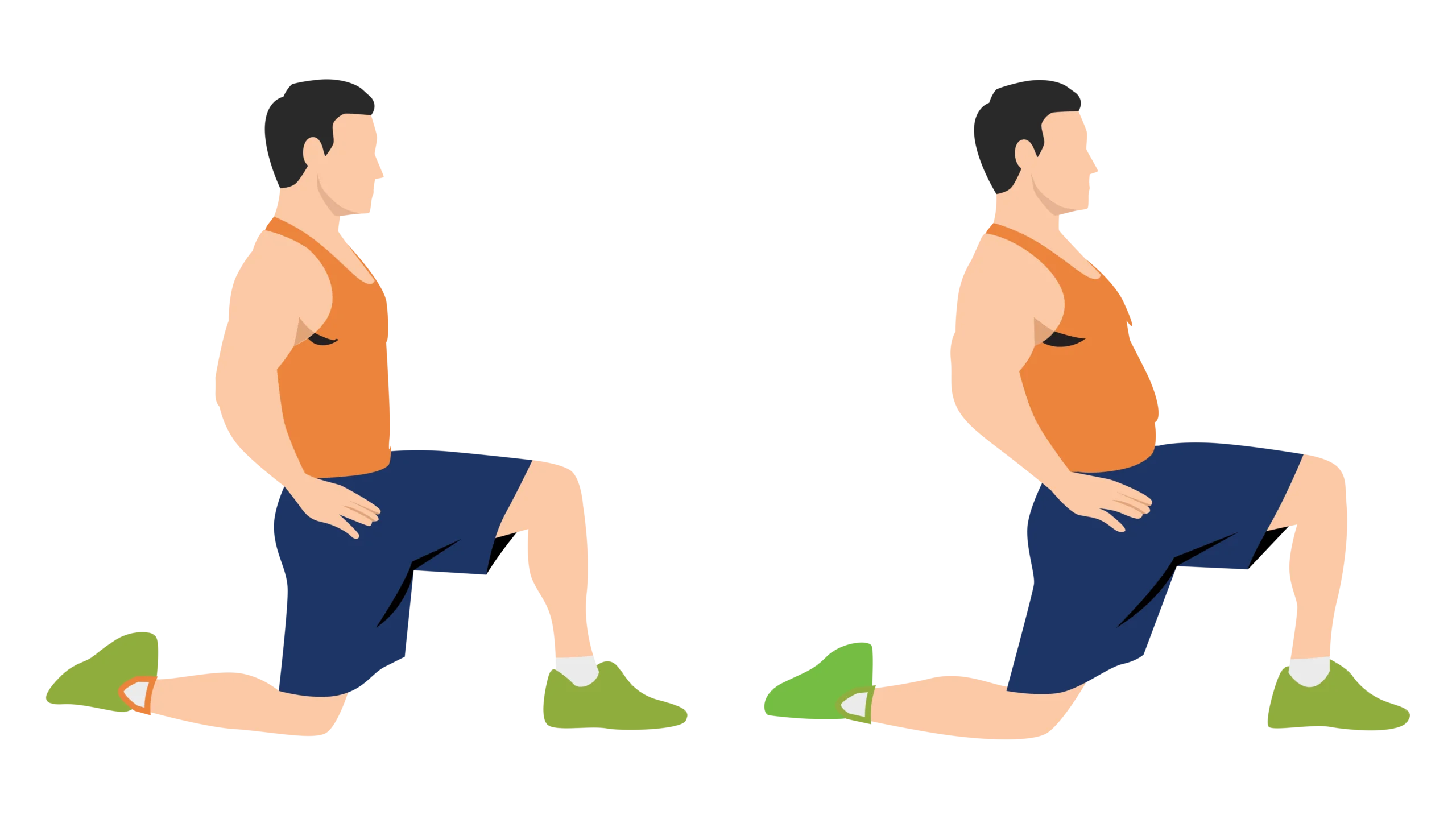
Hip Flexor Stretch (Kneeling)
Kneel on your affected leg and bend your good leg out in front of you, with that foot flat on the floor. If you feel discomfort in the front of your knee, place a towel under your knee. Keeping your back straight, slowly push your hips forward until you feel a stretch in the upper thigh of your back leg and hip. Hold the stretch for at least 15 to 30 seconds. Repeat 2 to 4 times.
Patient Success Story
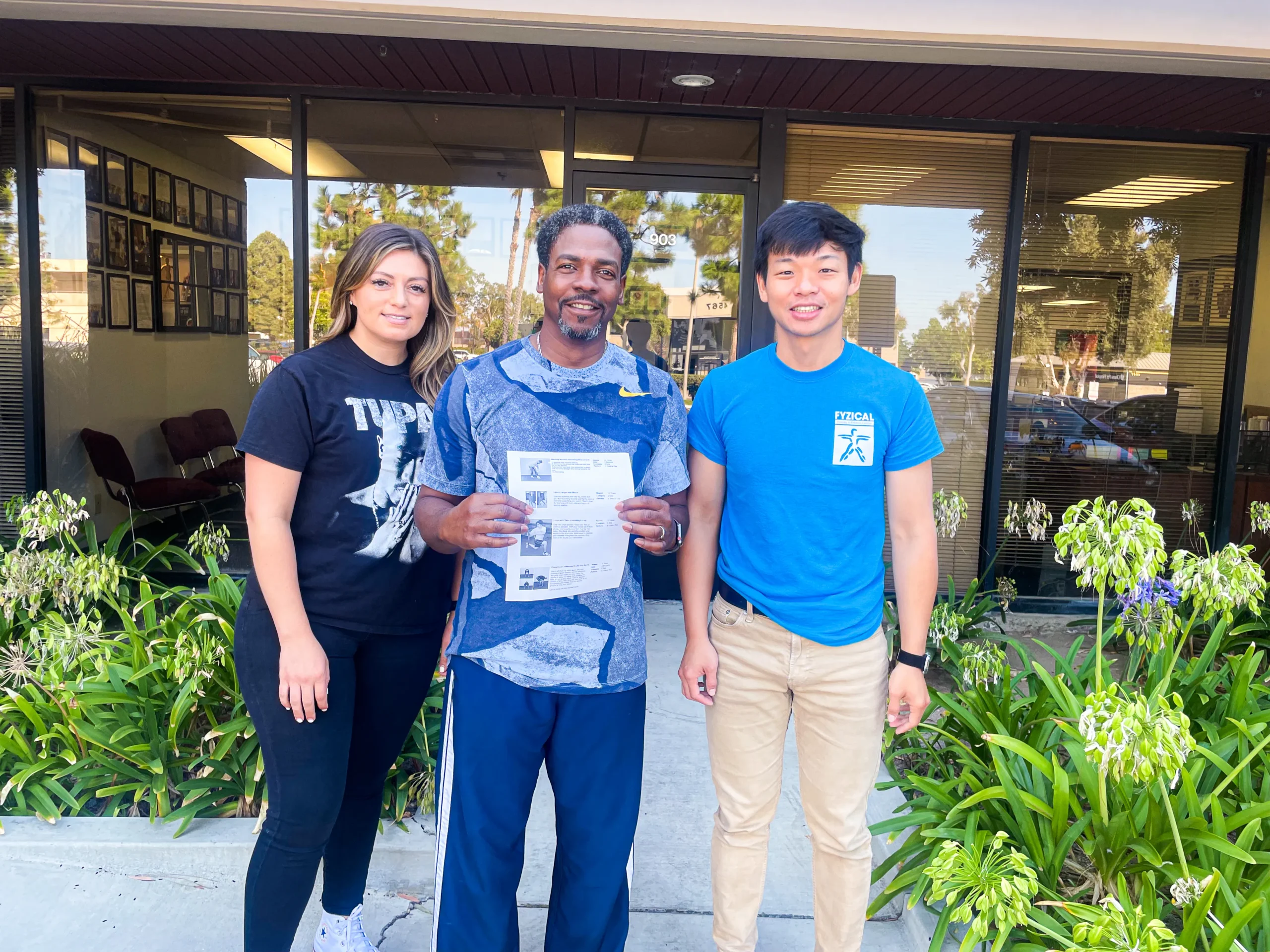
“I would like to thank everyone for a great experience. The professionalism was amazing. I came in post hip surgery with very limited mobility. I am now more mobile and confident with my increased range of motion. So once again… thank you all for everything!!!”
– D.R.
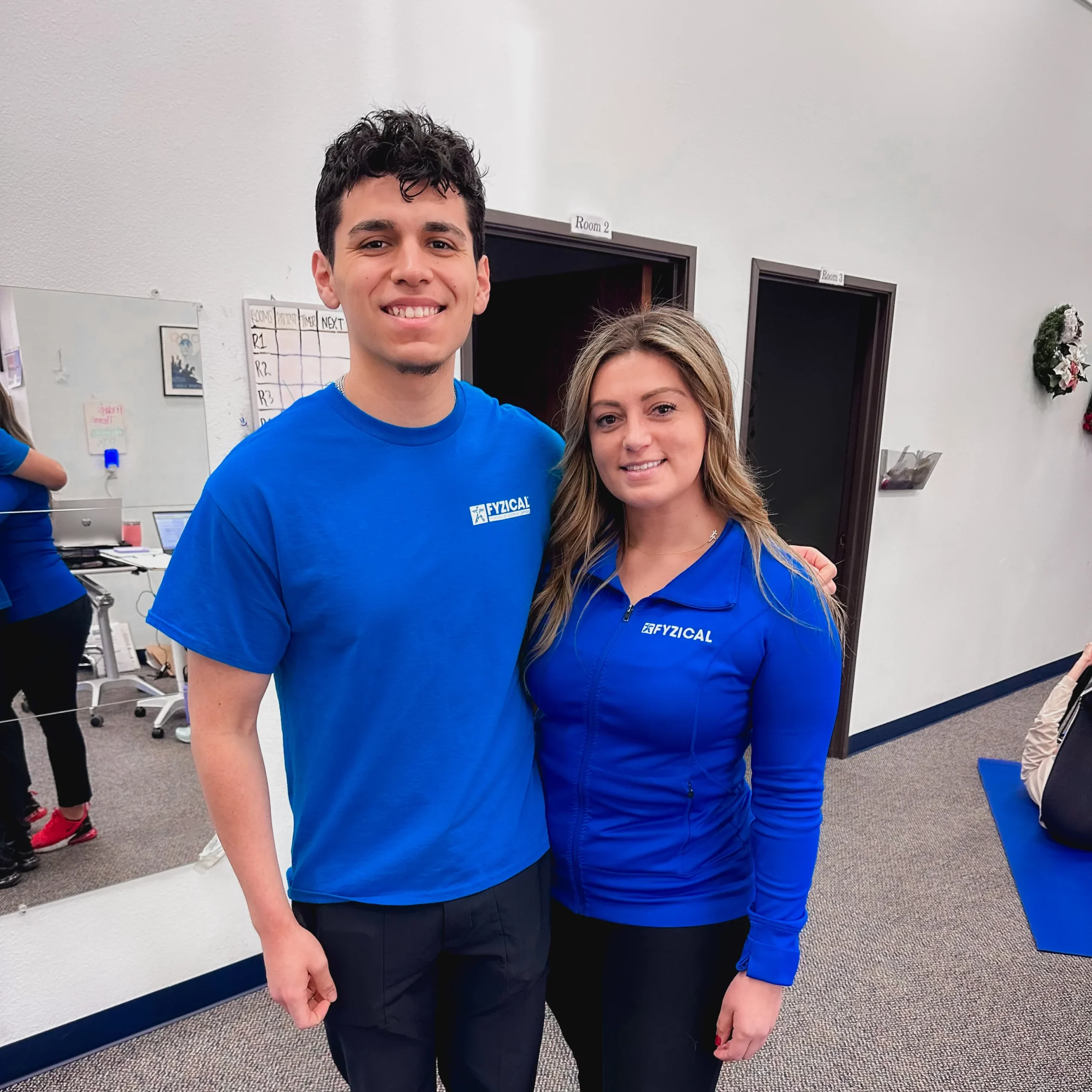
Celebrating Angel Mendoza: A Rising Star in Physical Therapy
We’d like to spotlight Angel Mendoza, a student who recently completed his clinical rotation with us at FYZICAL Advantage. During his time here, Angel worked closely with his clinical instructor, Ashley, and had a positive and enriching experience.
Angel shared, “It’s very open, and you can gain confidence very quickly, which is something I kind of lacked and gained very quickly just being here. So if you want to have a great experience and great confidence, I would definitely recommend this place.”
We are proud of Angel’s growth throughout his rotation and wish him continued success as he moves forward in his physical therapy career!

We Can Help You Exercise with Confidence
Starting a new exercise program for the first time–or restarting one after some time away–can be deeply intimidating. You don’t know which exercises you should do. You have no idea if you’re performing movements correctly. You’re not even sure what types of exercise you would enjoy.
Our physical therapists can help with all these concerns and more. We can suggest an exercise program that suits your abilities, interests, and goals and work with you one-on-one to guide you through any unfamiliar movements or equipment. We can also suggest movement or activity modifications if something’s too difficult and offer reassurance that even small changes can have a big impact.
Our team doesn’t just help beginners, either. As you progress, you may find yourself plateauing or struggling with certain aspects of your performance. Our therapists can get to the bottom of things and develop a performance improvement plan so you can see the results you’re looking for.
Start the Journey to An Active Lifestyle Today!
No matter your needs, the physical therapists at Advantage Physical Therapy will help you get active in a way that works for you. Call us to schedule your initial consultation!
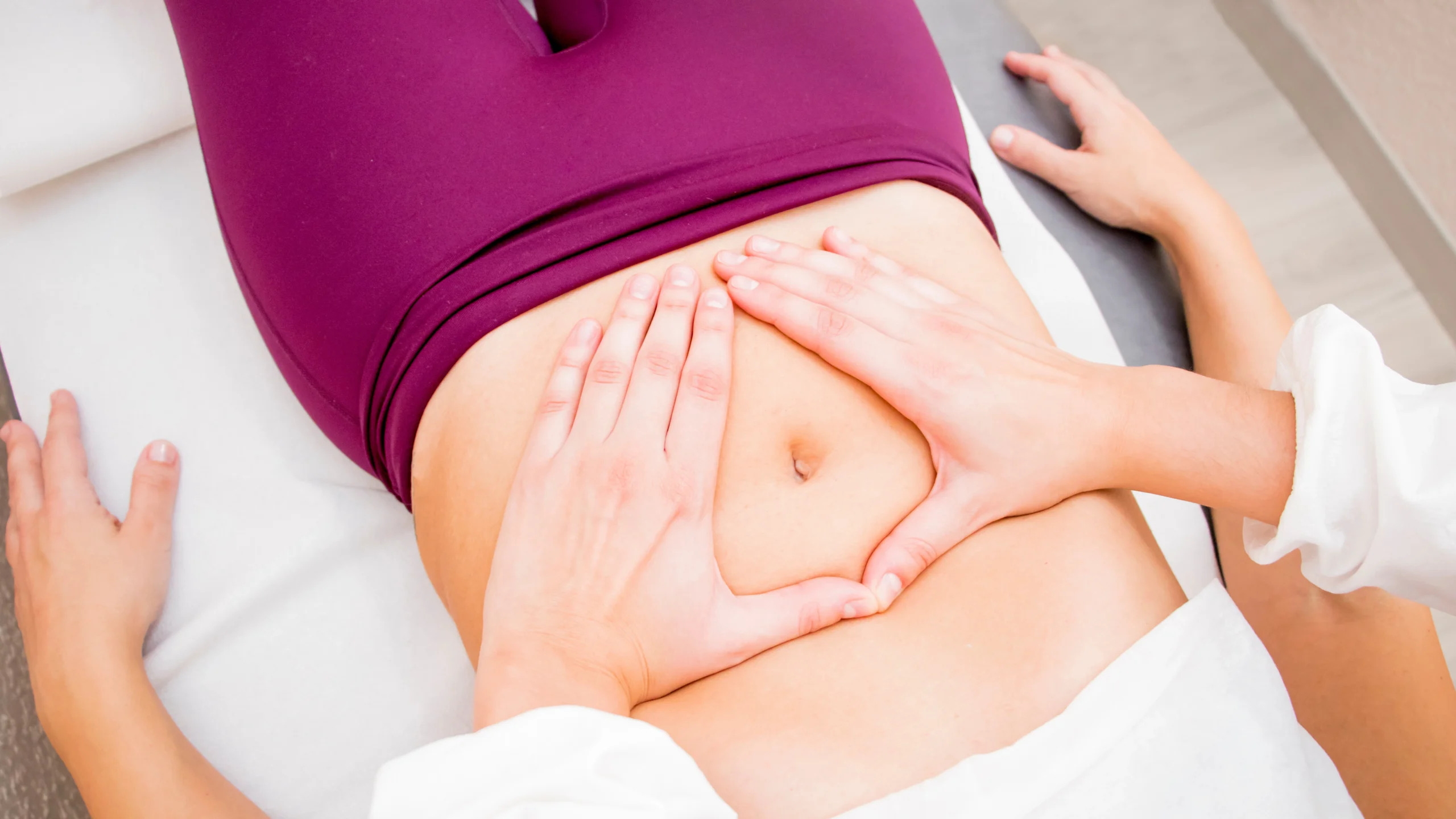
Service Spotlight: Incontinence
There are several reasons why someone may leak urine despite their control. Some short-term urinary incontinence may develop and disappear on its own due to a temporary condition, such as a urinary tract infection, vaginal infection, or constipation. Certain medications can even cause temporary bladder control problems that should clear up after use. However, if your urinary leakage persists, it may be due to a larger underlying condition, such as:
- Weak bladder muscles
- Overactive bladder muscles
- Damaged bladder nerves, typically from diseases such as diabetes, multiple sclerosis, or Parkinson’s
- Blockage from an enlarged prostate
- Difficulty getting to the bathroom in time, due to diseases such as arthritis
- Pelvic organ prolapse
- Prostatitis
- Benign prostate hyperplasia
- Damaged pelvic floor nerves, due to injury or surgery
In addition to the different ways in which urinary incontinence can be caused, there are also different types of urinary incontinence that can occur. The different types of urinary incontinence include:
- Stress incontinence. Stress incontinence is caused when one experiences a urine leak due to pressure on the bladder. For example, stress incontinence can occur when exercising, lifting heavy objects, laughing, coughing, or sneezing. This is the most common type of bladder control problem in younger to middle-aged women, and it may occur around the time of menopause.
- Urge incontinence. Urge incontinence is caused when there is a sudden and emergent need to urinate. Someone experiencing urge incontinence may not have enough time to make it to the toilet before leakage occurs. This type of bladder control problems is usually a result of diabetes, Alzheimer’s disease, Parkinson’s disease, multiple sclerosis, or stroke.
- Overflow incontinence. Overflow incontinence is caused by a bladder that is always full, thus causing leakage to occur. For example, if a man has an enlarged prostate that is blocking his urethra, it can be difficult to empty the bladder. Other conditions, such as diabetes and spinal cord injuries, can also cause this type of bladder control problem.
- Functional incontinence. Functional incontinence is caused when people have a condition that makes it hard to move to the bathroom quickly enough before leakage occurs. People with functional incontinence actually have normal bladder control; however, they have an alternative condition (such as arthritis) that makes it difficult to move and thus results in leakage if they cannot make it to the toilet in time.
If you are experiencing persistent urinary incontinence that has been occurring for several weeks or months, contact our physical therapy office as soon as possible to seek help.
Upcoming FREE Workshops!
Mark your calendar for our upcoming workshops on January 7th and 21st at 5pm. Click below or call the clinic today to reserve your spot in one of our upcoming workshops.
Intimidated by the Gym? Try These 3 Tips
While some people struggle to exercise regularly due to pain or busy schedules, many more find themselves holding back for one simple reason: going to the gym is intimidating.
At Advantage, we strive to create a welcoming, inclusive environment for all our patients. But we also understand that going to a physical therapy clinic is quite different from going to a gym, where you often have little to no guidance about etiquette, exercise equipment, and more.
Fortunately, our physical therapists can offer a few simple tips for overcoming gym intimidation:
- Take a few deep breaths. Deep breathing exercises can help calm your nerves before entering the building. Find a quiet space (your car, an empty corner in the locker room) and take five deep, steady breaths before you start your workout.
- Don’t leave your cell phone in your locker. We often see our cell phones as needless distractions–but in the gym, that distraction can help soothe anxiety. One study found that cell phone usage during a workout filters out environmental stressors (like that super-buff guy lifting weights beside you). So consider this permission to load up your favorite podcast and plug in your earbuds!
- Know before you go. When you walk into a gym, you’re met with a maze of cardio and weight machines, free weights, and lots of mirrors. Figuring out a workout program before you step through the doors will help take some of the pressure off. Our physical therapists can help, offering guidance on specific exercises, workout plans, and equipment and gym etiquette instruction.
Gym intimidation is a genuine phenomenon–and the team at Advantage Physical Therapy is here to help combat it! Call us today to learn more.