

Is Your Sacroiliac Joint Causing Your Lower Back Pain?
One of the reasons back pain is such a common medical complaint (most people will experience it at least once in their lives) is because it has so many different potential causes. Most people are familiar with the common ones, like a strained back muscle or herniated disc.
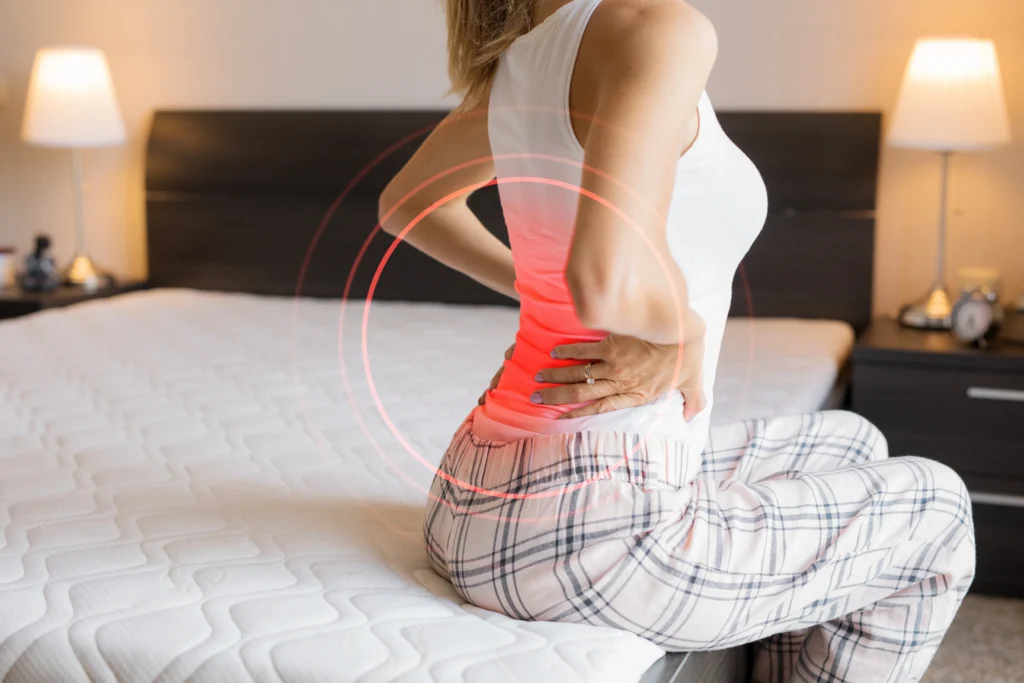
But sometimes, back pain isn’t really back pain–at least not how we generally conceive it. While you might experience pain or discomfort in your lower back, the actual source of the pain might be a little lower, in your sacroiliac joint.
At Advantage Physical Therapy, our team of physical therapists understands that the best way to resolve back pain is to determine where that pain is coming from.
Thanks to our comprehensive assessments, we can help you determine if your lower back pain is actually a symptom of problems with your sacroiliac joint –and then provide you with a targeted treatment to help resolve it.
The Sacroiliac Joint: What It Is and What Can Go Wrong
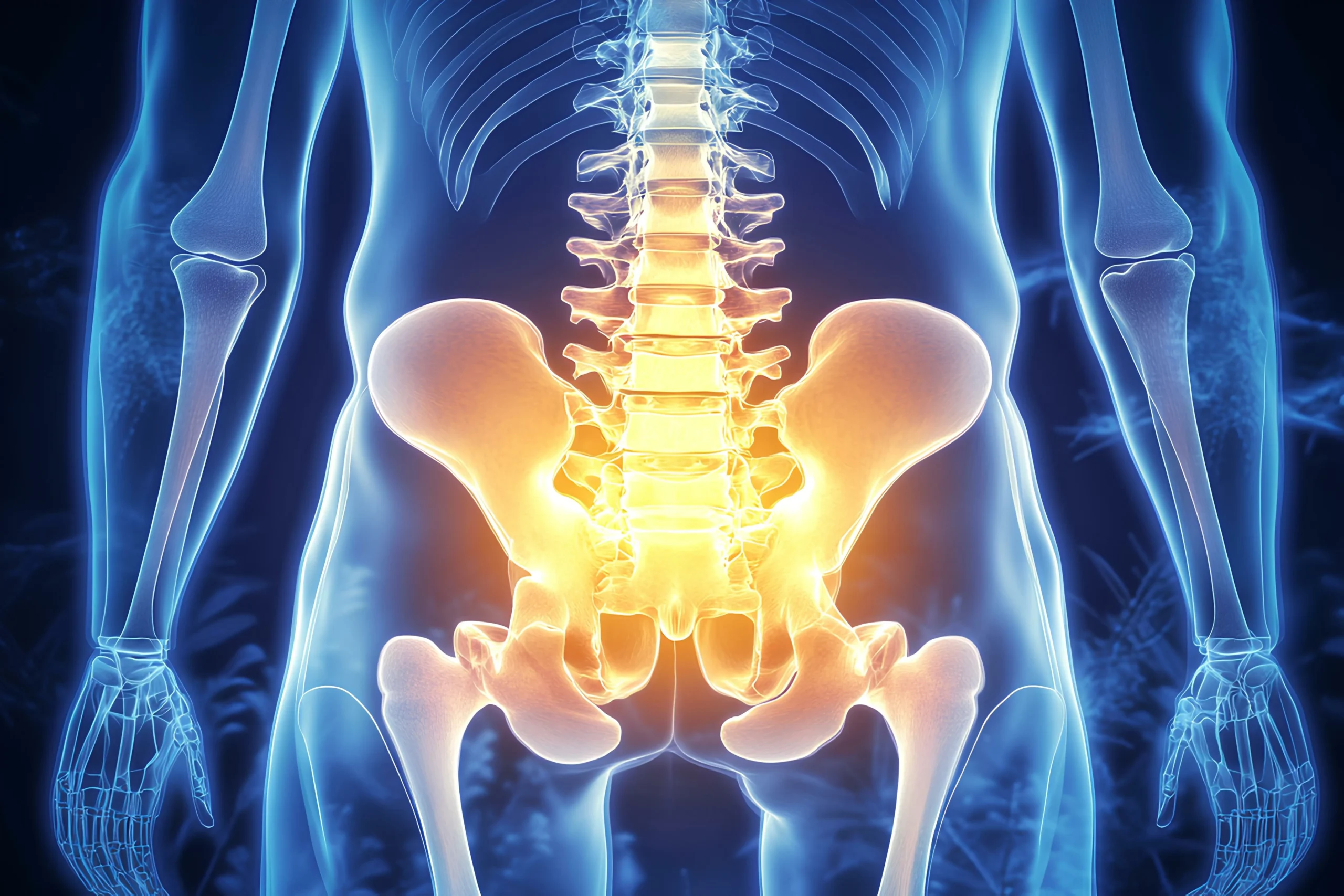
The sacroiliac (SI) joint connects your spine to your pelvis. You have two of them, one on each side. They’re connected to the sacrum, a small triangular bone at the base of your spine.
The SI joints allow you to transfer weight between your upper and lower body. However, the joints themselves don’t move all that much, and they’re located fairly deep in your pelvic structure, surrounded by strong ligaments and muscles.
There are two reasons why your sacroiliac joint might cause your pain:
- Sacroiliac joint dysfunction occurs due to biomechanical issues in your SI joint. It’s particularly common during pregnancy, as the sacroiliac joint is “loosened up” in preparation for childbirth (hypermobility). However, an overly restricted sacroiliac joint can also cause issues (hypomobility).
- Sacroiliitis refers to an SI joint inflammation due to osteoarthritis, hormonal changes during pregnancy, or injury.
Both conditions can cause similar symptoms. The biggest difference between the two is the presence of inflammation, as there are no inflammatory processes with SI joint dysfunction.
Patient Success Story
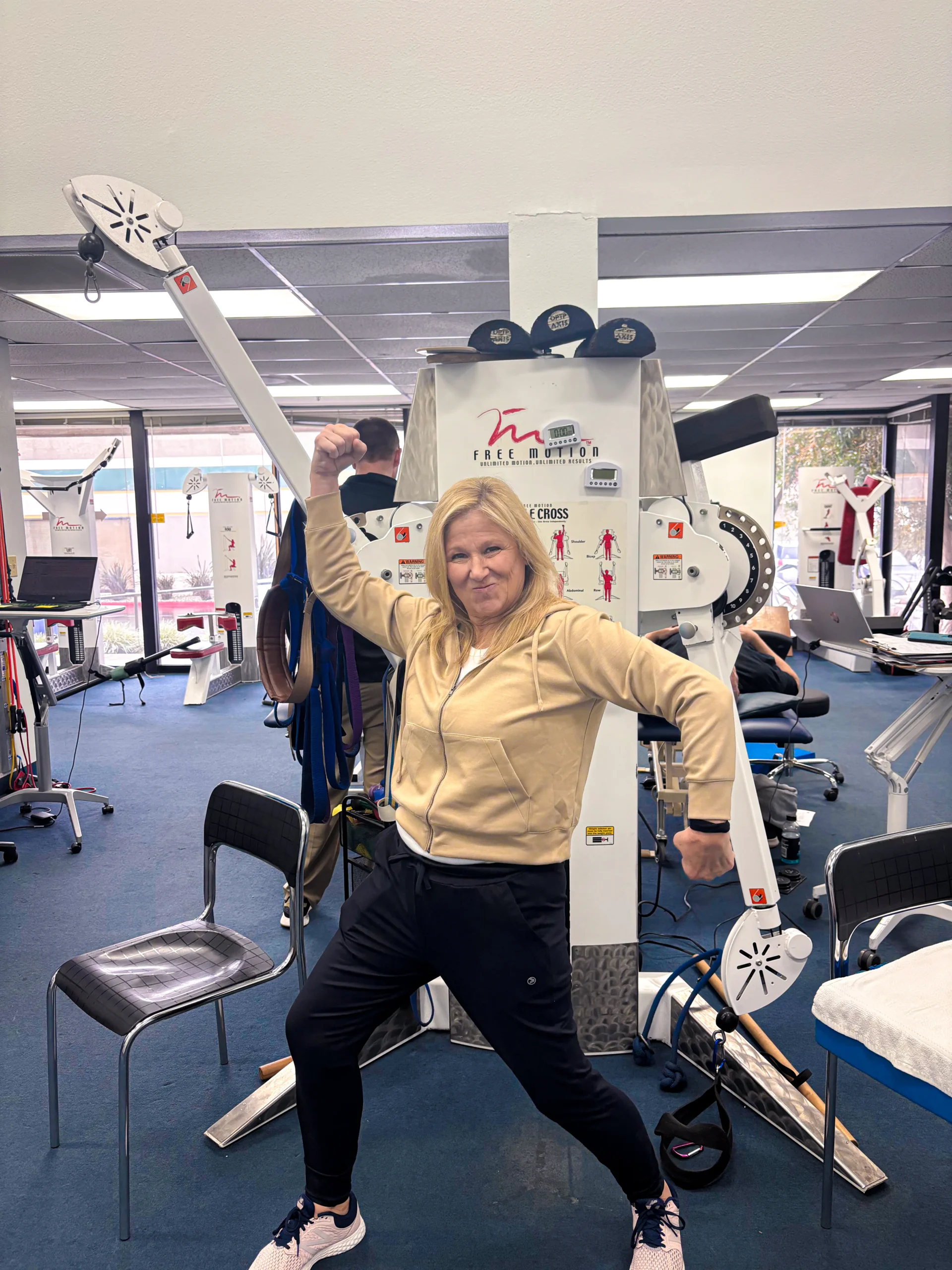
“The progress I’ve made from where I started to where I am now—just six months later—is truly night and day! When I began physical therapy, I wouldn’t dare attempt to unload the dishwasher or pick something up off the floor. Now, I’m confidently deadlifting and cruising through my days with ease. The Advanced PT team has been nothing short of amazing. Dylan Kelly, in particular, played a huge role in my recovery. His expertise, vision for my progress, and thoughtful implementation of my plan were spot on. I felt supported and heard every step of the way. The entire team creates such a fun and motivating atmosphere. I actually looked forward to my sessions!
Special thanks to:
- Trevor – DJ skills & humor
- Michael – Heartfelt stories & great humor
- Ashley – Wise girl talks
- Jackie – Laser techniques
- Trevor (again!) – Kind scheduling and helpful reminder calls
I’m so grateful for all of you!” — Monica Gear
Issues with Your SI Joint? How to Tell
It can be difficult to determine if you’re struggling with SI joint issues or lower back pain, as they can cause similar symptoms. If you’re struggling with any pain or discomfort in your back or buttocks, your best bet is to schedule an appointment with our physical therapists. We can help you get to the bottom of things.
That said, here are some of the common signs of SI joint issues:
- You experience pain directly over your buttocks.
- The pain seems to stem from deep inside your body.
- You’ll notice pain when sitting, lying down, or climbing stairs. In fact, you may have trouble sitting for long periods due to the pain.
Treating SI Joint Pain: What To Expect
We’ll begin with a comprehensive physical exam to help us determine the exact source of your pain, including confirming if the SI joint is involved at all. Once we understand your unique situation, our experts will develop your customized treatment program. Here’s what you might expect:
- Pain Management: We’ll find a solution that suits your needs. Spinal mobilizations and other manual therapy techniques can help if your pain stems from immobility. Hot and cold therapy can help manage pain and inflammation.
- Mobility Exercises: If applicable, we can guide you through targeted exercises to improve the flexibility and mobility in your SI joint.
- Strengthening Exercises: One of the best ways to address SI pain is to strengthen your core and gluteus muscles, both of which support and stabilize the SI joint. Our therapists will develop an exercise program appropriate to your needs and ensure you perform all exercises correctly.
- Prevention Tips: Finally, we’ll work with you to help you adopt a physically active lifestyle, which can help reduce and prevent SI dysfunction.

Your Guide to a Home Exercise Program for Lower Back Pain
A Home Exercise Program (HEP) for lower back pain is a critical component of physical therapy treatment, designed to complement in-clinic sessions and accelerate the healing process. This tailored regimen typically encompasses exercises focused on strengthening the core muscles, improving mobility, enhancing posture, and increasing overall back stability.
A HEP’s ultimate goal is to alleviate pain and provide individuals with the tools and knowledge to prevent future back issues.
Components of a Home Exercise Program for Back Pain
- Core Strengthening Exercises: The core muscles are pivotal in supporting the spine. Exercises such as planks, bridges, and pelvic tilts strengthen the core, providing better support for the lower back.
- Mobility and Stretching: Tight or restricted muscles can affect lower back pain. Stretching exercises aim to increase the range of motion, reduce tension, and improve function.
- Postural Exercises: Poor posture is a common contributor to lower back pain. Exercises focusing on improving posture help individuals learn to maintain proper positioning, reducing strain on the back.
Importance of Performing Exercises at Home
Performing prescribed exercises at home is vital for several reasons. Firstly, it facilitates the continuation of the healing process between physical therapy sessions, allowing for more consistent progress. Secondly, it empowers patients to take an active role in their recovery and management of lower back pain.
Consistency in performing these exercises can significantly improve the effectiveness of the therapy, leading to quicker relief from pain and a reduced risk of recurrence. In addition, home exercise programs help individuals maintain their back health and prevent future injuries. Incorporating these exercises into their daily routine, patients develop healthier habits, contributing to long-term spinal health and overall well-being!
What’s Causing Your Back Pain?
You don’t have to put up with persistent pain, whether it’s in your back, buttocks, or radiating down your leg! The physical therapists at Advantage will dig down deep to determine the underlying source of your pain, no matter what it is.
Ready to get started? Call us to schedule an appointment today!
Free Pain Assessment
Don’t miss this chance for a FREE Pain Assessment — call 805.429.4206 today to reserve your spot!
Upcoming FREE Workshops!
Mark your calendar for our upcoming workshops. Click below or call the clinic today to reserve your spot in one of our upcoming workshops.

Tips for A Safe and Healthy 4th of July

As we prepare for the 4th of July celebrations, here are key tips to ensure a joyful and healthy Independence Day:
- Healthy Grilling: Opt for healthier grilling choices. Lean meats, fish, and a variety of vegetables can make your barbecue both delicious and nutritious.
- Sun Safety: Apply sunscreen, wear protective clothing, and seek shade to prevent sunburn.
- Fireworks Caution: Set off fireworks in a clear, open space away from buildings, vehicles, and vegetation. Always keep a safe distance and remember to have a bucket of water, a garden hose, or a fire extinguisher nearby.
Enjoy the 4th while keeping your well-being at the forefront. We wish you a safe and happy Independence Day!
Improve Your Physical Abilities with RX4Fitness!
At Advantage Physical Therapy, our fitness program is designed for overall health and wellness with attention and appropriate guidance given to areas of concern or weakness. In addition to treating chronic and acute injuries, our physical therapists also assist patients in very directed, specific planned exercise programs through our RXFitness technology.
Our primary focus is given to particular concerns of osteoporosis, sports specific programs, and pre/postnatal concerns. Best of all, the supervised gym exercise program is monitored by one of our clinicians, so you will have guidance through every step of your exercise plan!
Ready to get started?
If you’re looking to improve your physical abilities, our innovative technology at our physical therapy practice can help. Contact us today to learn more about how RX4Fitness can help you reach your physical goals!
Sources
- https://www.physio-pedia.com/Sacroiliac_Joint_Syndrome
- https://www.physio-pedia.com/Sacroiliitis
- https://www.ncbi.nlm.nih.gov/books/NBK470299/
- https://www.ncbi.nlm.nih.gov/pmc/articles/PMC3963038/
- https://www.researchgate.net/publication/353795187_Effect_of_Home_Exercise_Training_in_Patients_with_Nonspecific_Low-Back_Pain_A_Systematic_Review_and_Meta-Analysis